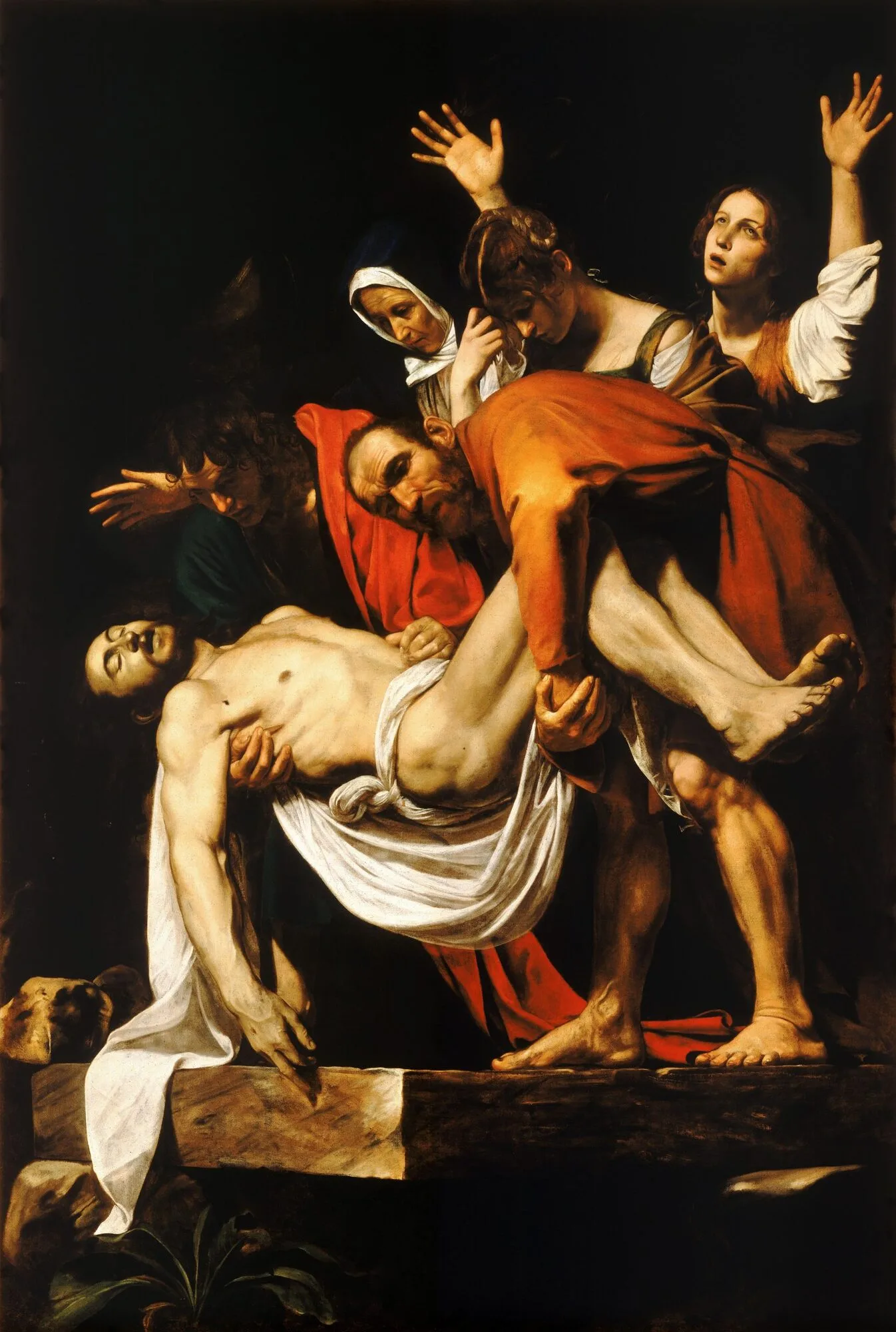
Interdisciplinary research focused on the body and listening at their greatest inclination
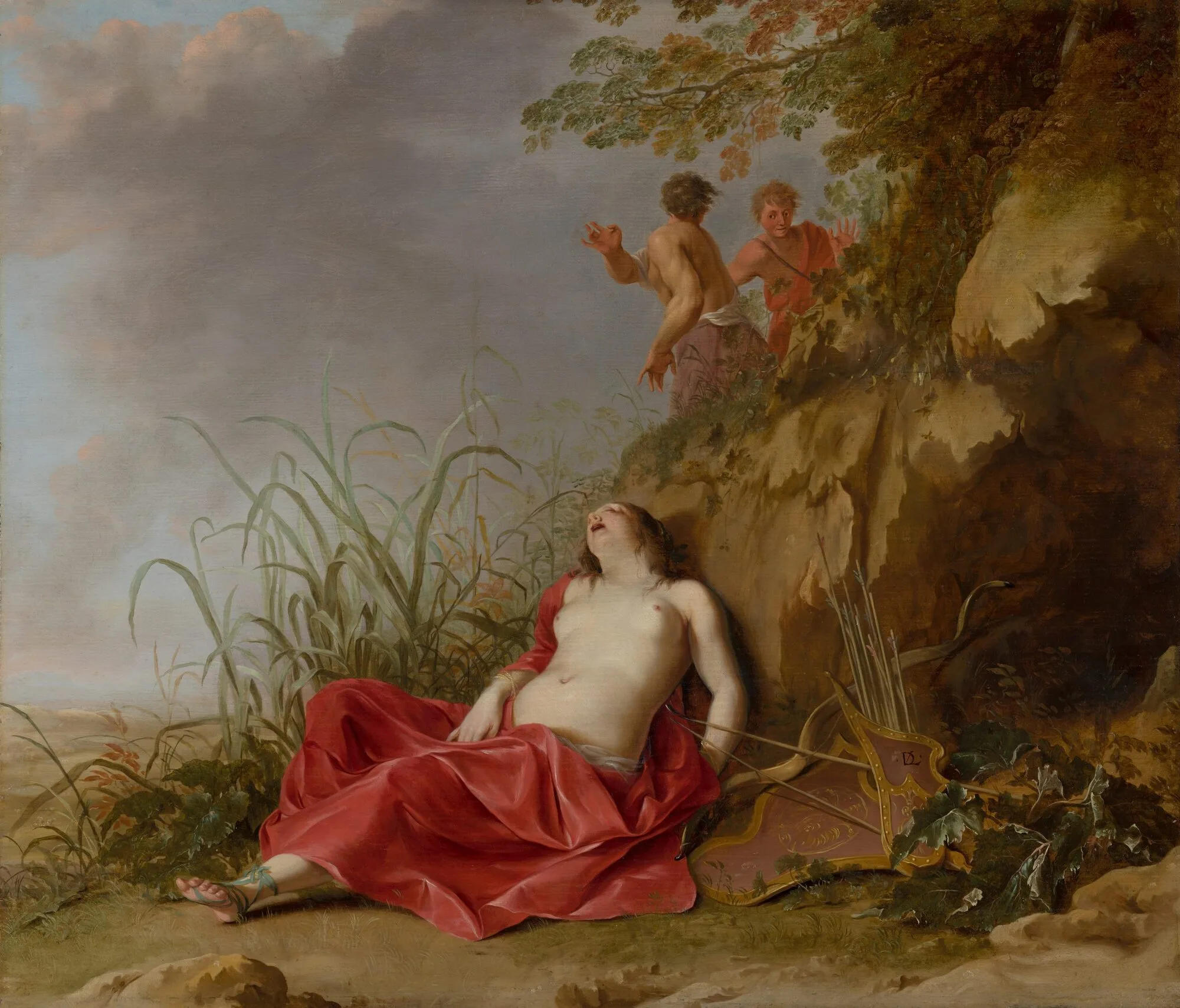
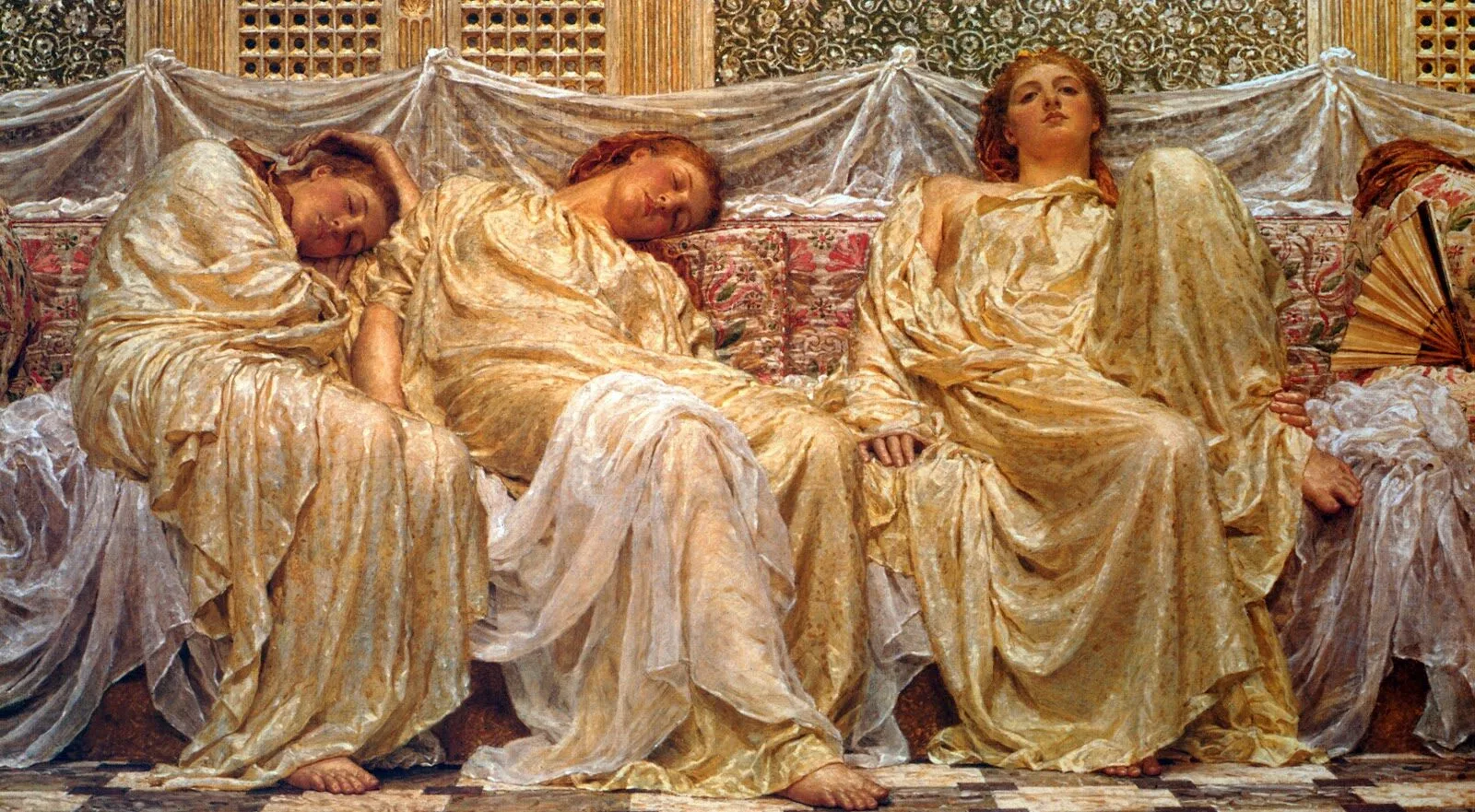
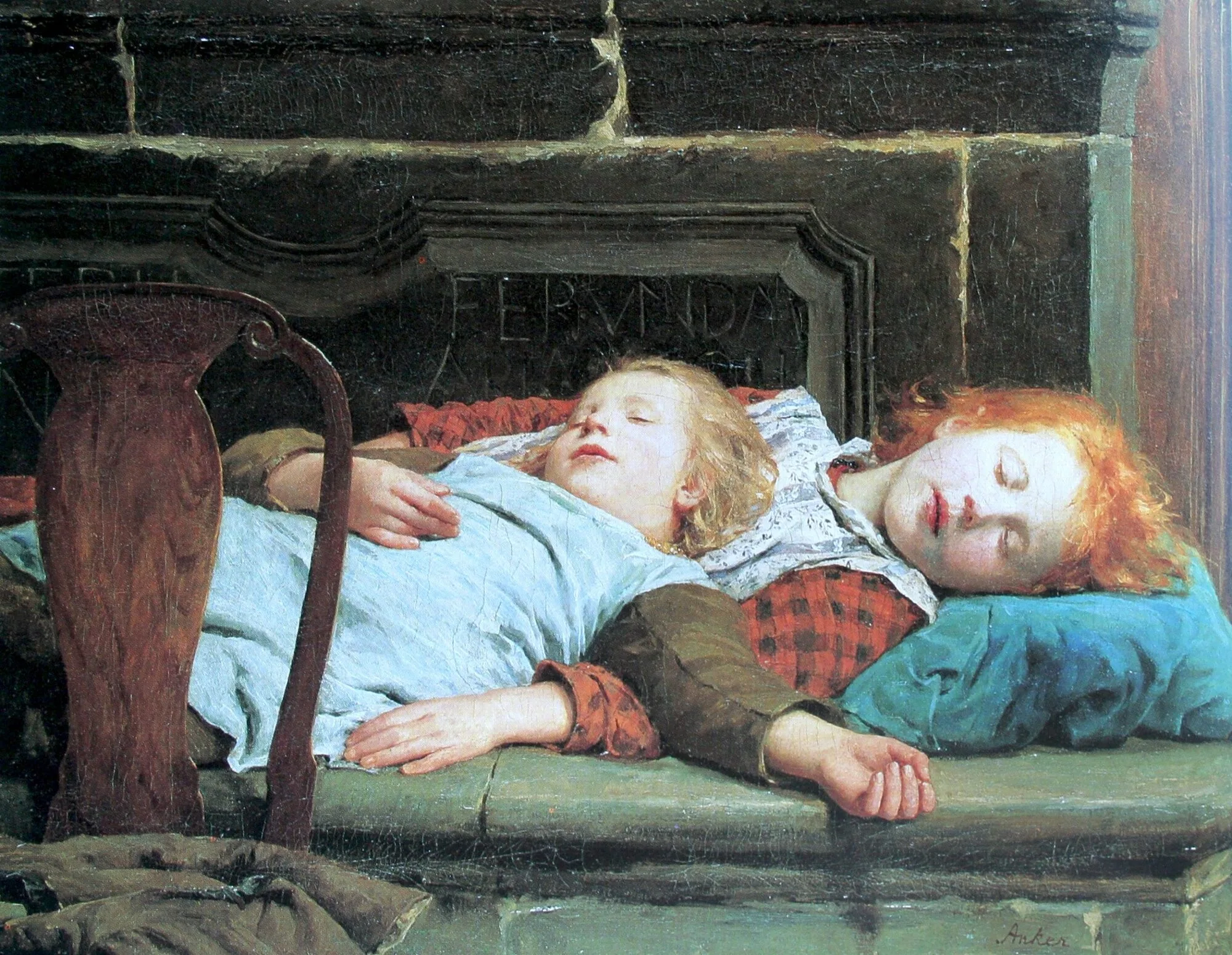
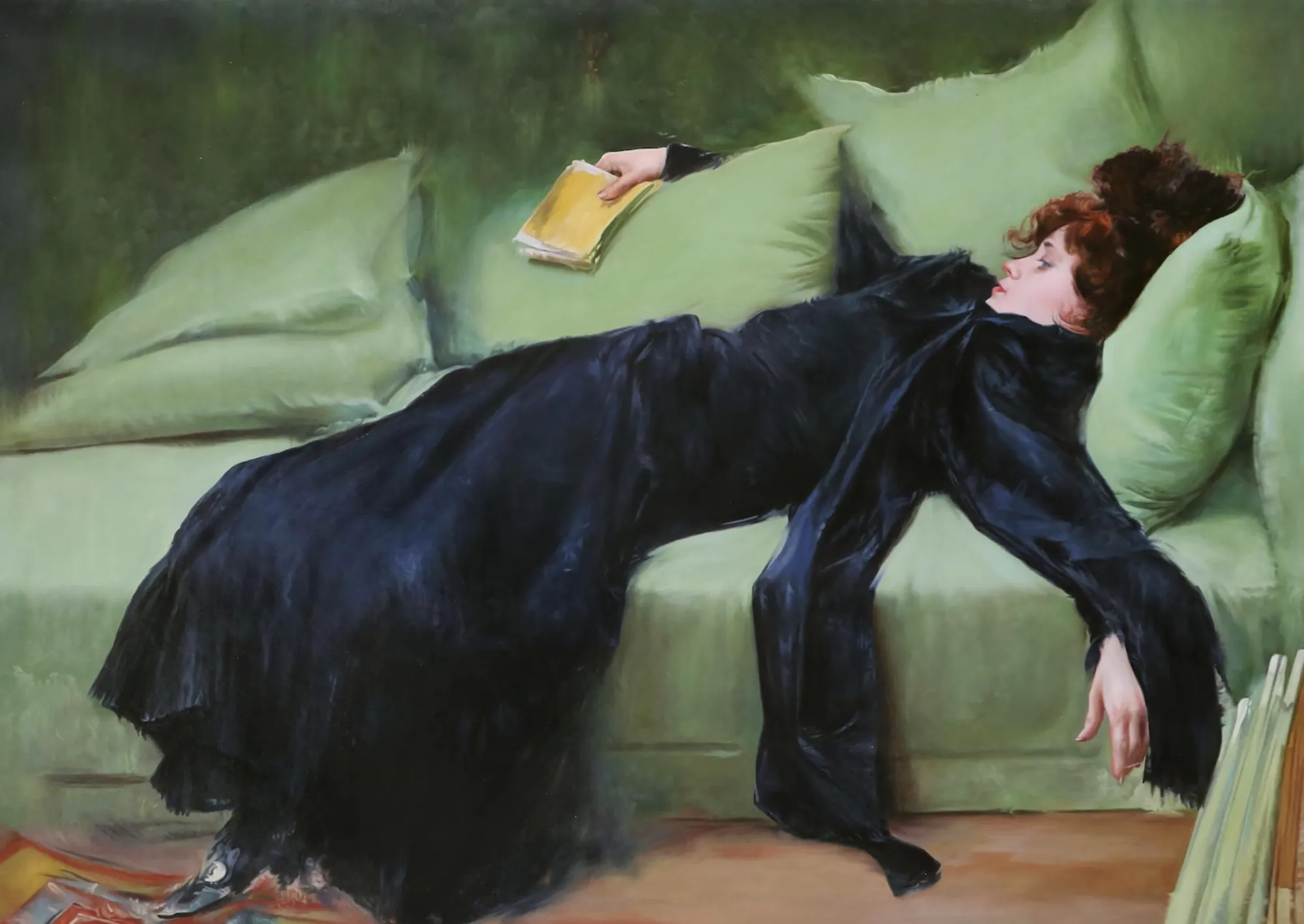
Horizontality and dreams as a point of departure for sensing gravity
“The instinct for weightlessness is one of life’s deepest instincts. Its function is to teach us to master our fear of falling and to stamp our successes in defending ourselves against that fundamental fear. All aerial beings know very well that it is their own substance that flies, naturally, effortlessly, without movements of the wing. What is immortal in us is movement rather than substance. Movement can change, but it cannot die.”
Gaston Bachelard
Gravitas (1) arose from a personal situation in which I had to confront illness and its constant pain. During that process and treatment, I learned that music—as Ramón Andrés knows well—can console us and can also alleviate pain.
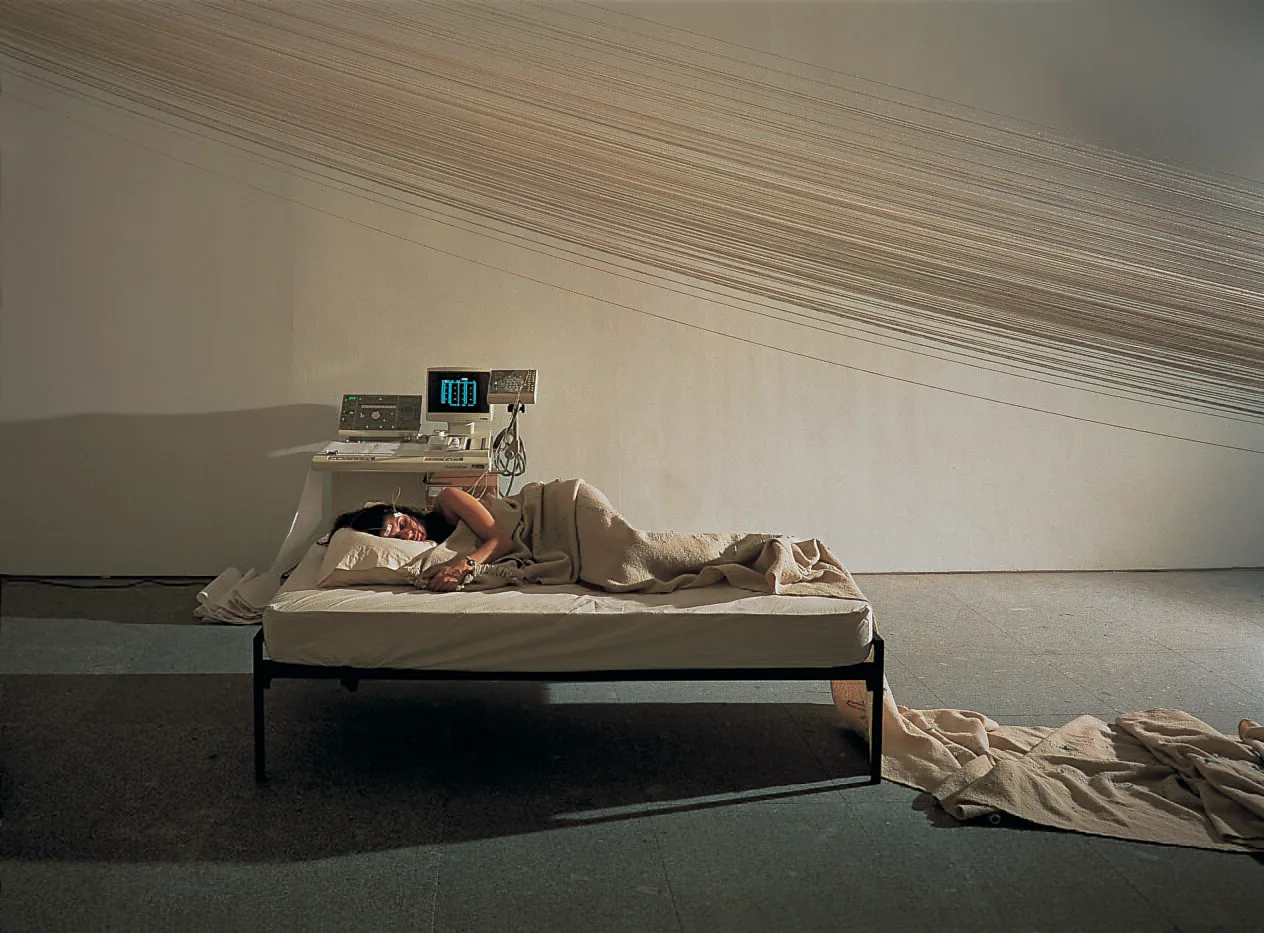
The horizontality from which this project begins responds both to the position my body required and to the music I listened to. That music became inscribed in my memory and body.
From this horizontality, those listening experiences I eventually called “horizontal music” seemed to suspend all perception of time, opening a space of expanded perception and consoling me in a state between sleeping and waking. In the apparent monotony of this music and its subtle microtonal variations, I found the manifestation of horizontal listening and also the most radical experience of my body and my own listening: an extreme dilation of sonic duration in which horizontality opened as an experience of infinity, surrendered to my own duration.
Gravitas is an extension of this resonance, of these suspended times and difficult moments in life, from which emerge a strange, heightened attention, a delicate and radical knowledge, and the very meaning of experience.
My deepest thanks to Matxalen Bilbao, who gave me this interview at her home in Bermeo; to Bertha Bermúdez, Ohiana Vesga, Robert Jackson, Koldo Arostegi, Bobo Espazioa, Natalia García, MUTIS Espazioa, Zoe Gatell, Eneko Gil and Dantzagunea; and to Olatz de Andrés for knowing how to accompany me.
Note:
(1) The word “gravitas” denoted dignity and seriousness free of all frivolity. It was one of the ancient Roman virtues most valued by society, alongside duty, pietas, dignitas and virtus. It can also be translated as “weight”, “dignity” or “importance”, and connotes moderation and moral rigour. It conveys a sense of responsibility and commitment to the task, and was therefore especially valued as an ideal characteristic in leaders. It acquires the meaning of an ethical sense, seriousness, severity and dignity, and connotes a certain substance or depth of personality. Etymologically, it comes from the Latin gravitare and means “for the weight of one body to rest upon another, for a body to move through the attraction of another”.
“Our body is a house and a world. The territory defined by our own extension is our most intimate refuge.”
Gaston Bachelard
Horizontal Music
A selection of horizontal music for horizontal listening to the body and gravity
Waking while dreaming, dreaming while walking
A soundwalk on perception, memory and the world of dreams as part of the exhibition Amazonias, the Ancestral Future
A project supported by the Basque Government in the choreographic research category (2024), in collaboration with Mutis Espazioa, Bobo Espazioa and Dantzagunea, and presented—in part—at the CCCB in Barcelona.